
Fungal foot infections are one of the most common problems people face — especially in humid areas or during warmer months.
Many try over-the-counter creams, but the infection often returns because the root causes remain untreated.
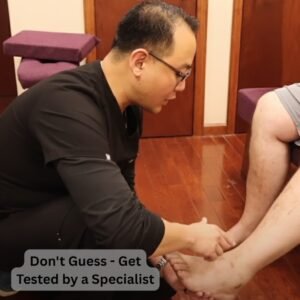
Dr. Hyunjae (Albert) Lee, D.P.M., D.C., founder of Pineapple Chiropractic and Podiatry in Clifton, NJ, has treated hundreds of patients with stubborn fungal foot and nail infections.
With over 10 years of experience in both Chiropractic and Podiatric Medicine, Dr. Lee explains how you can manage fungal infections safely at home — and when it’s time to seek professional care.
What Is a Fungal Foot Infection?
A fungal foot infection, also called athlete’s foot (tinea pedis), is a skin condition caused by fungi that thrive in warm, moist environments such as shoes, locker rooms, and shared showers.
It often begins between the toes and can spread to the soles, toenails, or other areas if untreated.
Common symptoms include:
- Redness, peeling, or cracking between the toes
- Itching or burning sensations
- Thickened or discolored toenails
- Dry, scaly patches on the bottom of the feet
Why Fungal Infections Keep Coming Back
Fungi are resilient. Even after treatment, spores can remain on shoes, socks, or home surfaces — leading to repeated infections.
As Dr. Lee explains, “Many patients only treat the skin, not the environment. The key to recovery is breaking the reinfection cycle.”
How to Treat Fungal Foot Infections at Home
Dr. Lee recommends combining medical hygiene, circulation support, and natural antifungal approaches.
Below are the key steps you can take at home to speed up recovery and prevent recurrence.
1. Keep Your Feet Clean and Dry
- Wash your feet daily using antifungal soap, especially between the toes.
- Dry thoroughly after bathing — moisture helps fungus grow.
- Avoid walking barefoot in locker rooms or public showers.
2. Choose the Right Socks and Shoes
- Wear breathable, moisture-wicking socks made of cotton or wool.
- Change socks daily or more often if you sweat.
- Let shoes dry completely before wearing them again.
- Use antifungal shoe sprays or powders to reduce contamination.
- Store shoes in a low-humidity area — use a dehumidifier if necessary.
3. Home Remedies That Support Healing
Dr. Lee’s clinical experience includes natural therapies that complement medical care.
Apple Cider Vinegar, Epsom Salt & Tea Tree Oil Soak
Mix 1 cup of apple cider vinegar, ½ cup Epsom salt, and a few drops of tea tree oil in warm water.
Soak your feet for 20 minutes, 3–4 times a week.
This helps reduce inflammation, control fungal growth, and calm itching.
Herbal Support
Apply a small amount of crushed garlic, turmeric, or calendula directly on affected skin.
These herbs have antifungal and anti-inflammatory properties that may help reduce symptoms naturally.
Infrared Sauna or Warm Foot Bath
Encourages sweating, boosts circulation, and supports the immune system.
A healthy blood flow helps your body fight infection and flush out toxins (including fungal byproducts).
Castor Oil Pack
Applying warm castor oil with a clean cloth can stimulate lymphatic drainage and detoxification.
This helps the body clear fungal toxins and improve skin recovery.
4. Strengthen Your Immune System
Fungal infections often return when the body’s defense is low.
Stress, poor sleep, and weak circulation can make it harder to heal.
Dr. Lee recommends:
- Practicing deep breathing or meditation daily
- Staying active to enhance blood flow
- Eating nutrient-rich foods (especially with zinc, vitamin C, and probiotics)
- Staying hydrated throughout the day
5. Manual Lymphatic Drainage (MLD)
Dr. Lee also emphasizes the benefit of gentle lymphatic drainage massage.
It helps remove toxins, reduce swelling, and boost immune function, allowing the body to recover faster.
This technique is often used in integrative care at Pineapple Chiropractic and Podiatry.
Prevention Tips for Everyday Foot Health
Keep your feet healthy and fungus-free with these daily habits:
- Wear sandals in public showers or locker rooms
- Disinfect your bathroom floor regularly
- Never share towels, socks, or nail tools
- Trim nails straight and keep them clean
- Rotate shoes to prevent moisture buildup
When to See a Foot Doctor
See a podiatrist if:
- The infection doesn’t improve after 2–3 weeks of home care
- You have diabetes, poor circulation, or a weakened immune system
- The nails become thick, yellow, or painful
- The skin cracks and starts oozing or bleeding
Dr. Lee offers personalized fungal treatment plans that target your exact fungal type — often confirmed through lab testing.
This ensures you receive the right medication and faster, lasting relief.
Quote from Dr. Lee
“True healing power comes from within the body when medical and natural therapies work together.”
— Dr. Hyunjae (Albert) Lee, D.P.M., D.C.
Treatment Comparison Table
| Aspect | Conventional Treatment | Dr. Lee’s Integrative Approach |
|---|---|---|
| Antifungal Treatment | Topical or oral antifungal medications | Antifungals with chiropractic and detox support |
| Symptom Relief | Relies on medication | Natural remedies plus immune support |
| Root Cause Addressed | Usually symptom-focused | Biomechanics, circulation, immune system |
| Prevention Focus | Basic hygiene advice | Comprehensive lifestyle and stress management |
FAQ
Q1: Can a fungal foot infection go away on its own?
No. Fungal infections typically persist or spread without treatment. Early care prevents long-term damage.
Q2: How long does it take to cure a fungal infection?
Mild infections may clear in 2–4 weeks, while nail involvement can take several months.
Q3: Are home remedies safe?
Most natural remedies are safe when used correctly, but severe cases require professional diagnosis.
Q4: When should I see a doctor?
If itching, redness, or cracking worsen or don’t improve within weeks, schedule an appointment with a podiatrist.
📞 Take the First Step Toward Healthy Feet
If you’re dealing with stubborn fungal foot or nail infections, Dr. Lee and his team at
Pineapple Chiropractic and Podiatry can help.
📍 842 Clifton Ave Ste 6, Clifton, NJ 07013
📞 Call (212) 884-4229 or Request an Appointment Online
Get the expert care your feet deserve — naturally and effectively.
Key Takeaway
Fungal infections don’t just go away — but with the right care, you can stop them from coming back.
By combining proper hygiene, home remedies, and professional care, you can restore your skin’s balance and keep your feet healthy year-round.
“You can also watch this video to gain a clearer and more detailed understanding of the topic.”